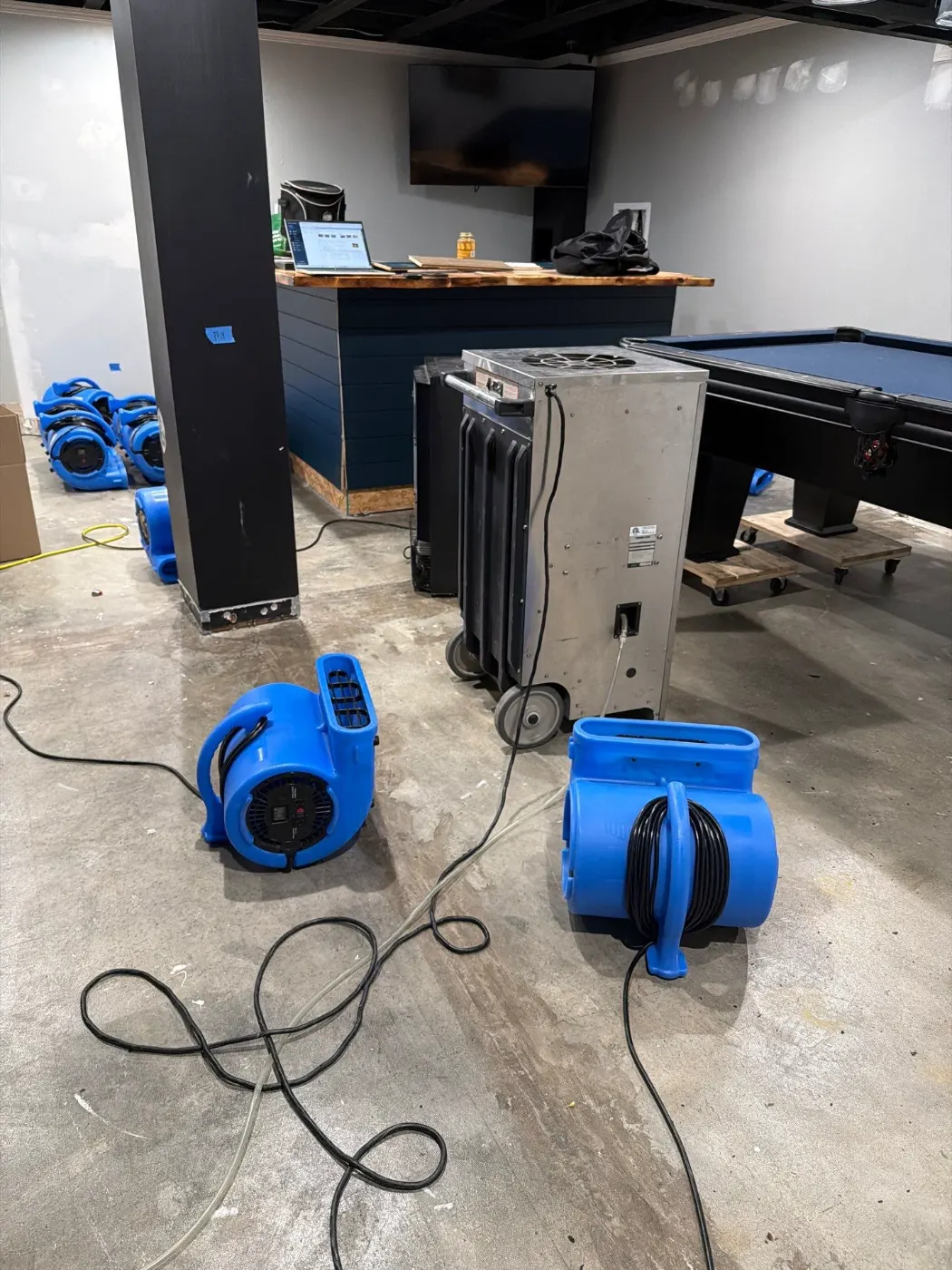
Basement Flooding in Anson, IN
After heavy rain in Anson, Anson Water Restoration reads the walls and the slab to find where the water went.
Anson Water Restoration provides Basement Flooding in Anson, IN. 24/7 emergency response with IICRC certified crews, and we work with your insurance carrier on approved claims. Call (765) 703-7292 for immediate dispatch.
- Service: Basement Flooding for Anson homeowners
- Service area: Anson, IN and surrounding areas
- Response time: Fast local response for Anson; live dispatch every hour of the year
- Licensed and insured (License #RC21100059)
- Serving Anson, IN since 2018
Basement Flooding Cleanup in Anson
We handle basement flooding cleanup throughout Anson, from standing water on the slab to drywall that's wicking it up.
Basements Here
Plenty of Anson homes went up in the 2020s, and finished basements are common. Crawl spaces are common in parts of Anson too.
Our crews work all over Anson, from Townhomes at Anson to the streets near Shoppes at Whitestown and Little League Central Region Headquarters. We also clean up flooded basements in Whitestown, Boone County unincorporated areas, Brownsburg and Traders Point.
Expert Basement Flooding for Anson Homeowners
Groundwater is coming through the foundation wall in your Anson basement, and the wet spot you can see is smaller than the wet area you can't. Poured walls move water through form tie holes and cracks, block walls move it through the cores, and all of it ends up at the floor and starts climbing the wall assembly. Anson Water Restoration dispatches within two hours to map the moisture and size the drying from what shows up.
A finished basement in Anson has more to lose, and Anson Water Restoration works to keep as much of it as the readings allow. Drywall that wicked water gets cut at a measured height, and walls that only got wet at the base can often dry through small holes behind the baseboard. You see the readings for every wall before anything comes out.
Anson Water Restoration handles the contents early, because most of what's stored in a basement sits directly on the floor. Boxes get opened or discarded depending on what the water reached, furniture gets blocked up off the slab or carried out, and anything leaving the house gets photographed and listed first. Soft goods that held contaminated water come out and don't go back.
If a water heater or a washer hose failed, keep the broken part until the adjuster has seen it, and photograph the data plate with the model and serial number. Wear on the part itself is often excluded, while the water damage it caused may be reviewed under a different part of the policy. Anson Water Restoration photographs the failure point in your Anson home too.
Water's been in your Anson basement long enough that drying it's now a question of how much comes out and how much stays. Anson Water Restoration dispatches to answer that with readings off the meters. Call at any hour for an inspection and a photo report of what's wet.
Signs You Need Basement Flooding Cleanup
If you notice any of these in your Anson home, schedule a free inspection before the issue worsens.
A wet base around the furnace or water heater, or a damp burner compartment
Water on the Anson basement floor in early spring while the snow melts, even with no rain
Carpet tack strip rusting, with the pad underneath breaking apart when you lift a corner
Leaves and soil packed into your Anson window well, with a drain that no longer empties
The sump pit full to the rim, or the pump running while the water level stays where it is
A sump pump that cycles every minute or two, which usually points at a failed check valve
Wet window sill with a stain on the wall just below it in your Anson basement
Mortar joints in the foundation wall that feel damp or crumble when you press a thumb into them
Cardboard boxes gone soft at the bottom corners, or collapsing when you pick them up
Water standing in the window well, up above the bottom of the window frame
How Anson Water Restoration Handles Basement Flooding
We follow these steps in order on every Anson job.
First Call and Triage
You describe where the water is and how deep it looks. The crew asks whether the power is on at your Anson home, then tells you what's safe to do while you wait, like shutting off a water supply.
Water Classification
The crew assigns a water category in your Anson home from the source and from the hours the water has sat, and the category sets the protective gear and which materials come out. Sewage is Category 3 and gets handled as a sewage cleanup.
Drying Chamber Setup
Dehumidification gets sized to the cubic footage of a closed space and air movers get placed to sweep the wet surfaces. The basement stays closed while it dries, since outside air in humid weather adds moisture to a cool space with masonry walls.
Wall Cavity Drying
Small holes behind the baseboard let conditioned air flow into the stud bays of a finished wall in your Anson home. That pulls moisture off the back of the drywall and out of the framing, so more of the wall can stay in place.
Records Handoff
You receive the photo report, the moisture map, the daily logs and the equipment record for your Anson basement in one file. The crew goes through it with you and answers questions about any line, so you can use it with your insurance company.
Basement Flooding in Anson
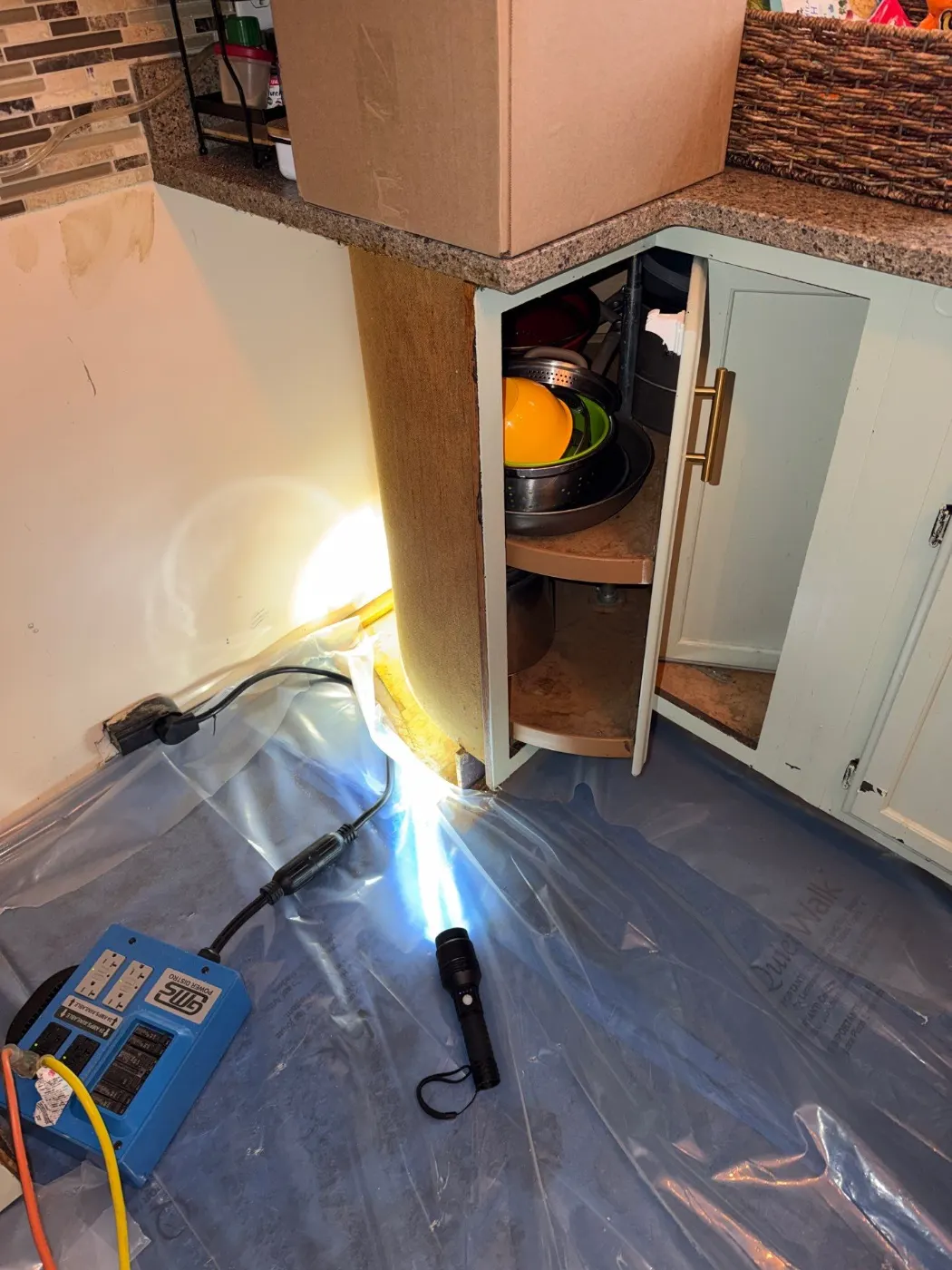
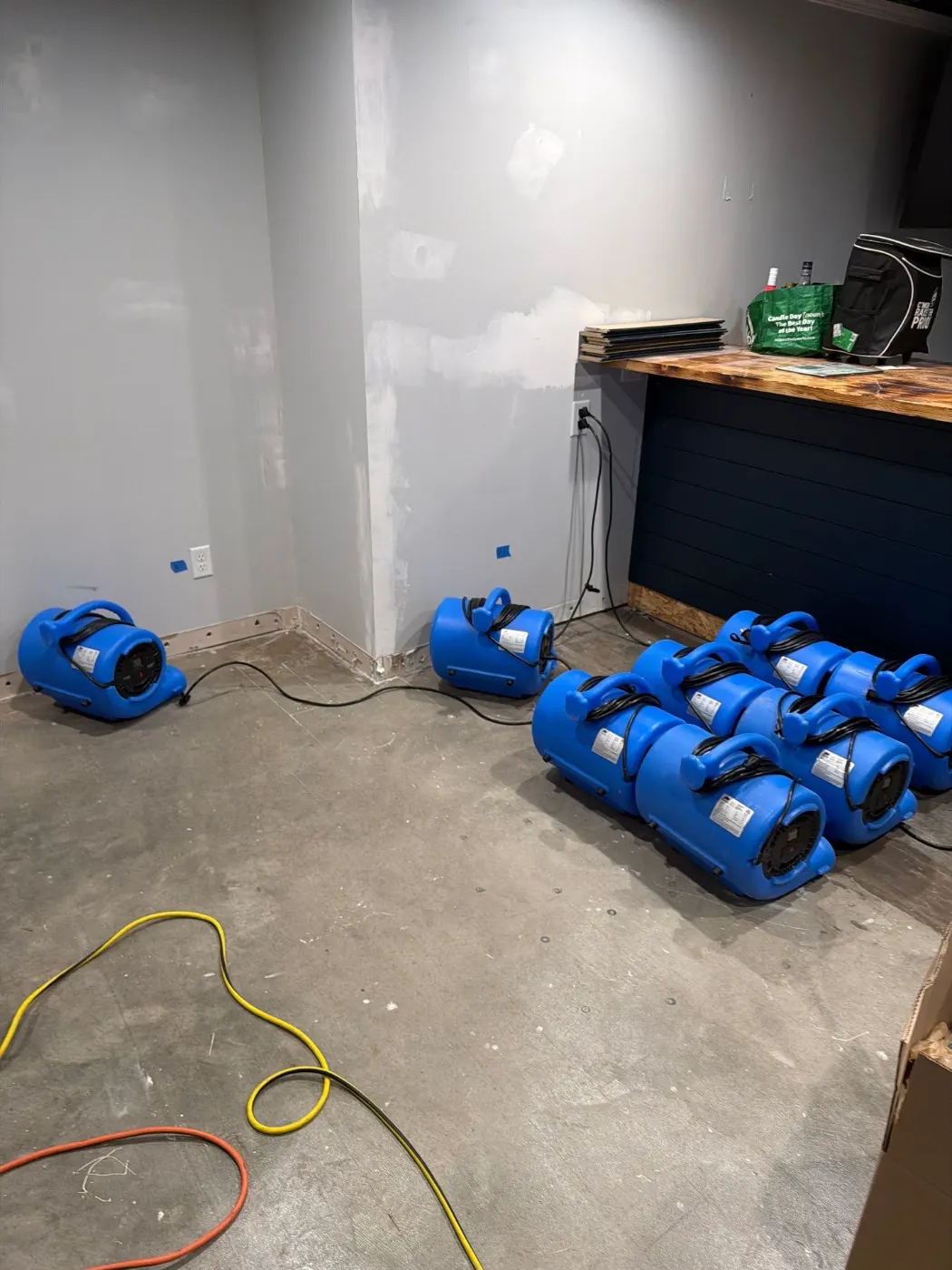
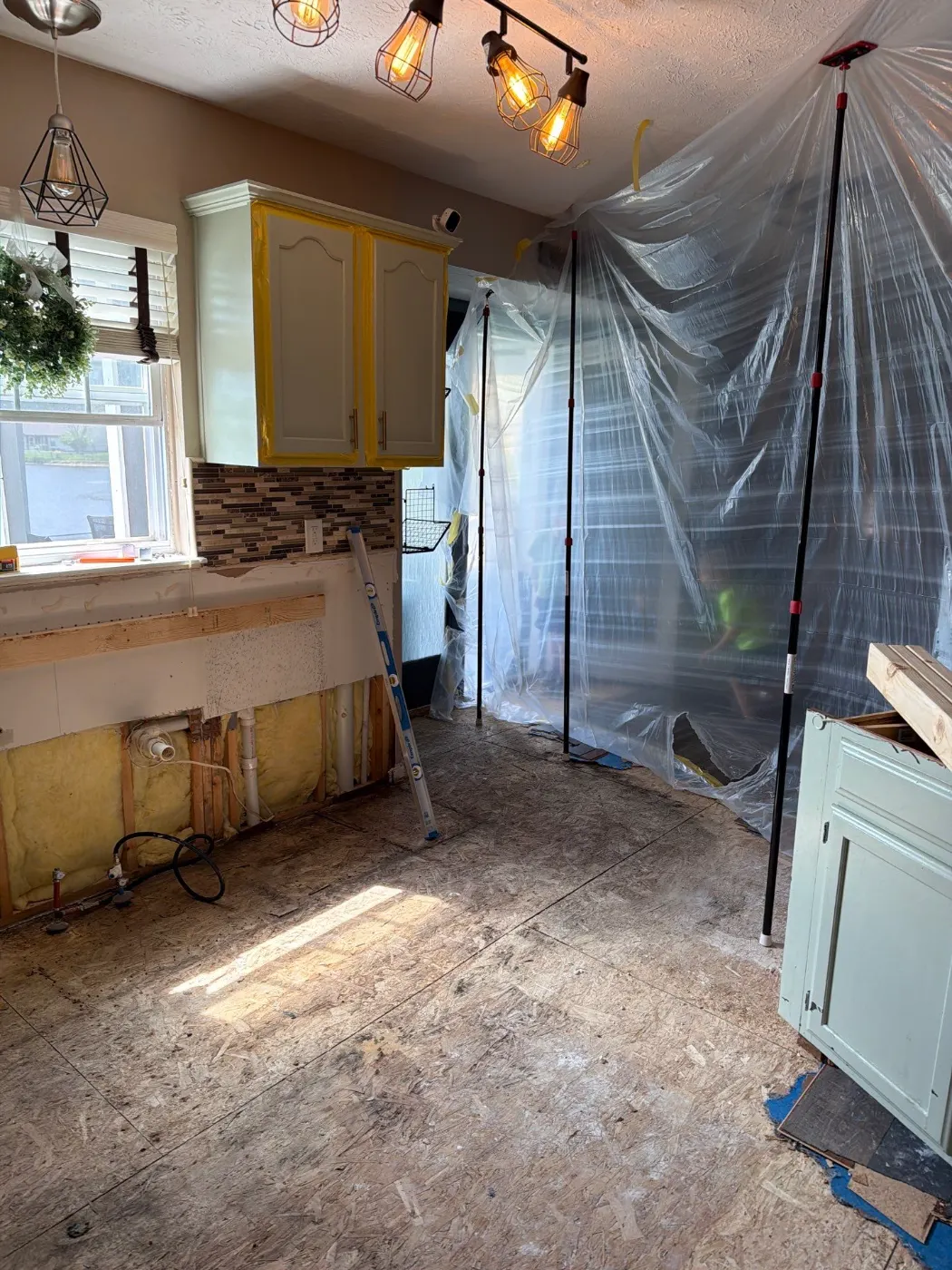
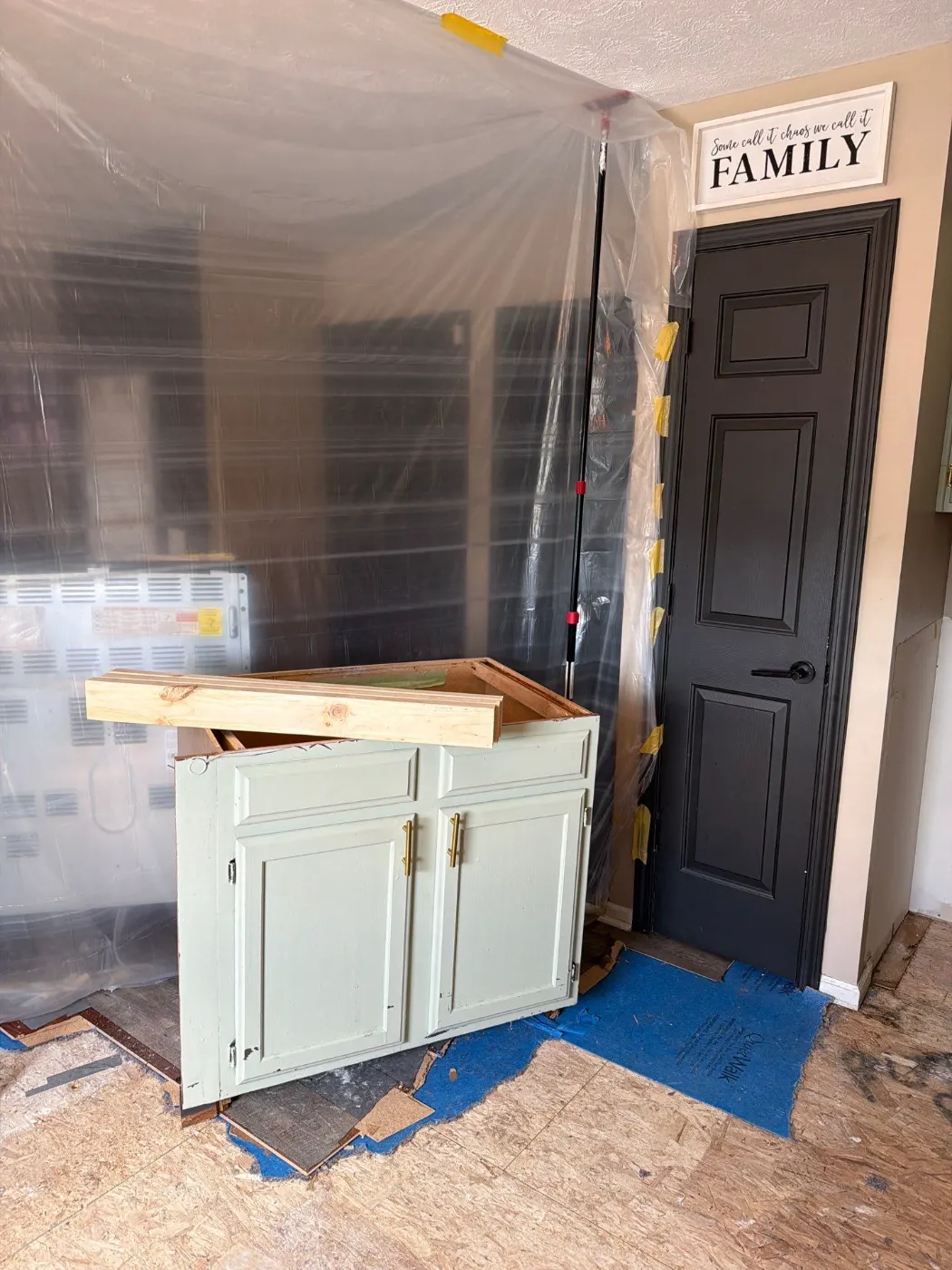
Photographs from real basement flooding jobs completed by our crew in Anson and surrounding areas.
Basement Flooding FAQ
Questions Anson homeowners ask us about basement flooding cleanup.
Guidance and Standards for Basement Flooding
- EPA advises drying water damaged areas and items within 24 to 48 hours to prevent mold growth. EPA: A Brief Guide to Mold, Moisture and Your Home
- Ready.gov notes that homeowners insurance policies don’t cover flooding, so check what your own policy says. Ready.gov: Floods
Anson Neighborhoods We Serve
We take basement flooding calls in every part of Anson. Pick your neighborhood for local details.
Other Restoration Services in Anson
Anson Water Restoration handles the full scope of restoration work. Explore our other services below.
Water Damage Restoration in Anson
24/7 emergency response. IICRC certified water restoration from extraction to full dry out.
Learn more →Sewage Cleanup in Anson
Category 3 biohazard cleanup. Full containment, decontamination, structural restoration.
Learn more →Storm Damage in Anson
Storm related water emergencies. Tarping, extraction, drying, and full restoration.
Learn more →Request Basement Flooding Cleanup
Reach Us Directly
Our team is available 24/7 for emergencies and ready to schedule inspections during business hours.
Need Immediate Help?
For active water or mold emergencies, call us directly. We are available 24/7.